
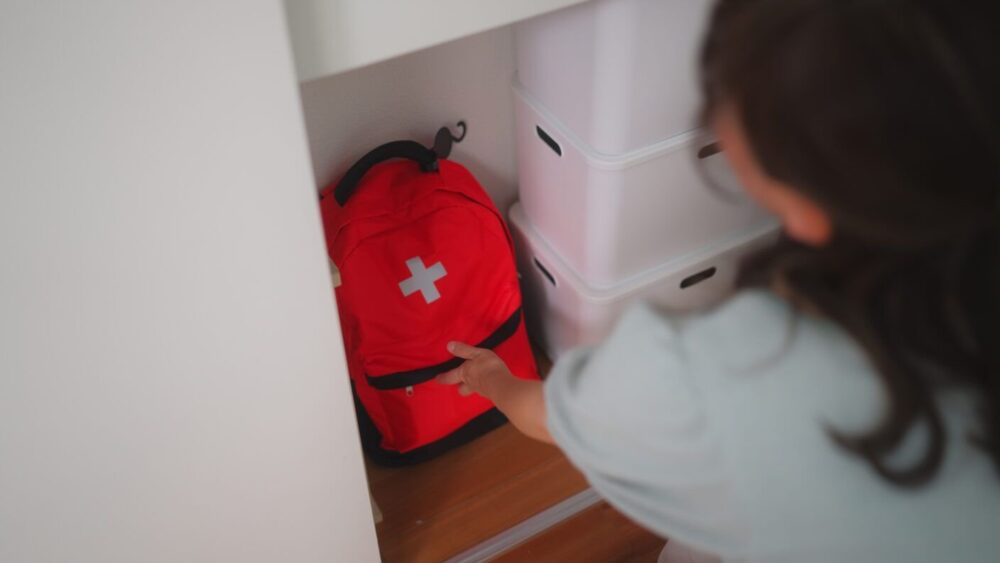
Homeowners have gotten a lot smarter about preparedness in the past few years. Solar backup batteries, modular storage systems, generators that actually make sense for the situation instead of the biggest one on the shelf. It’s a real shift toward planning ahead instead of scrambling during an outage.
That same planning-ahead mindset tends to stop at the property line. A homeowner who’s carefully compared battery capacities and backup circuit options for the house often has a boat sitting in the driveway or at a marina with zero equivalent plan for the off-season. It’s the same kind of asset, the same kind of investment, and it gets a fraction of the attention.
Preparedness Is a Mindset, Not Just a House Feature
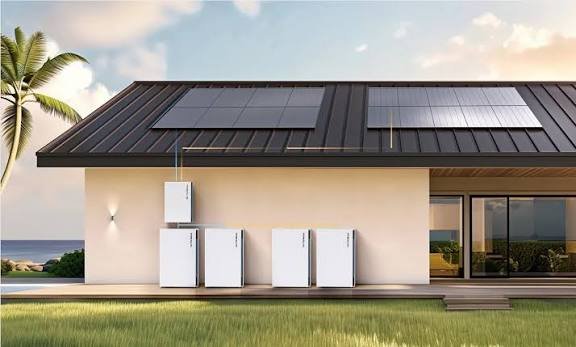
The appeal of a good solar backup system isn’t just the power itself. It’s the confidence that comes from knowing a real plan exists before the situation that requires it.
That same confidence is available for anything else a household owns that’s exposed to seasonal risk, and a boat is one of the clearest examples.
Where the mindset breaks down is that boats don’t come with the same obvious warning signs a home does. Nobody needs reminding that the power might go out.
Plenty of boat owners genuinely don’t think about what happens to an engine that sits through months of freezing temperatures without any prep at all.
What Homeowners Get Right About the House
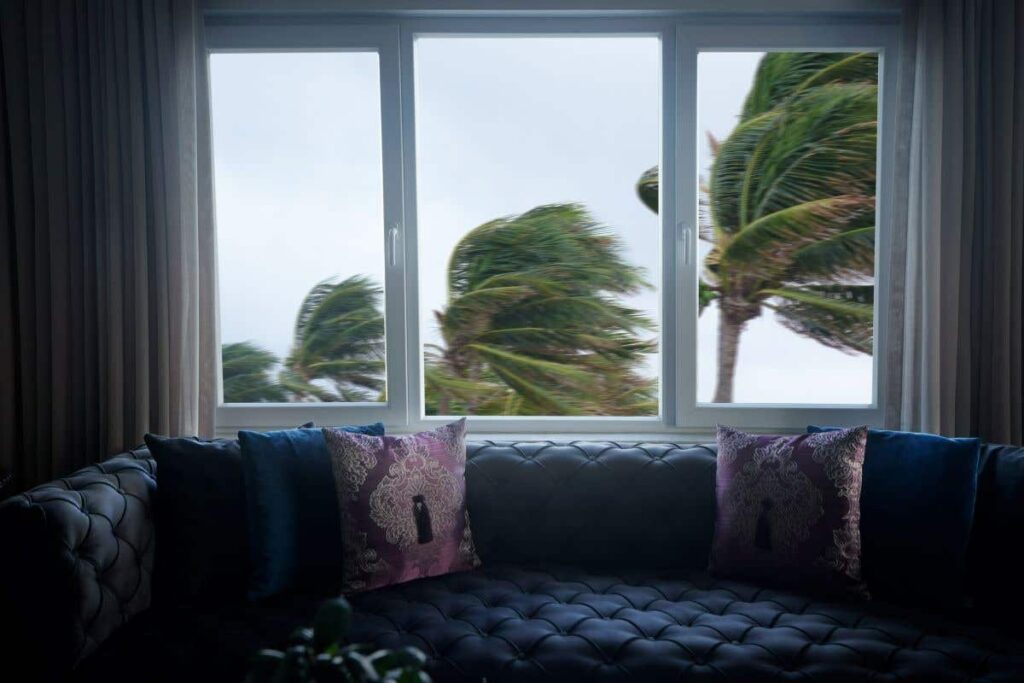
Modern homeowners evaluating backup power tend to ask good, specific questions. What’s the actual power need, not the marketing number?
What happens during a multi-day outage versus a short one? Is the investment matched to the actual risk, or is it overkill for a mild climate?
This is a genuinely smart approach, and it’s worth applying to every other seasonal risk a household faces, boats included. The question isn’t whether to prepare.
It’s matching the level of prep to the actual risk, the same way a homeowner in a mild climate doesn’t need the same battery capacity as one in a region with frequent multi-day outages.
Where That Same Logic Applies to a Boat
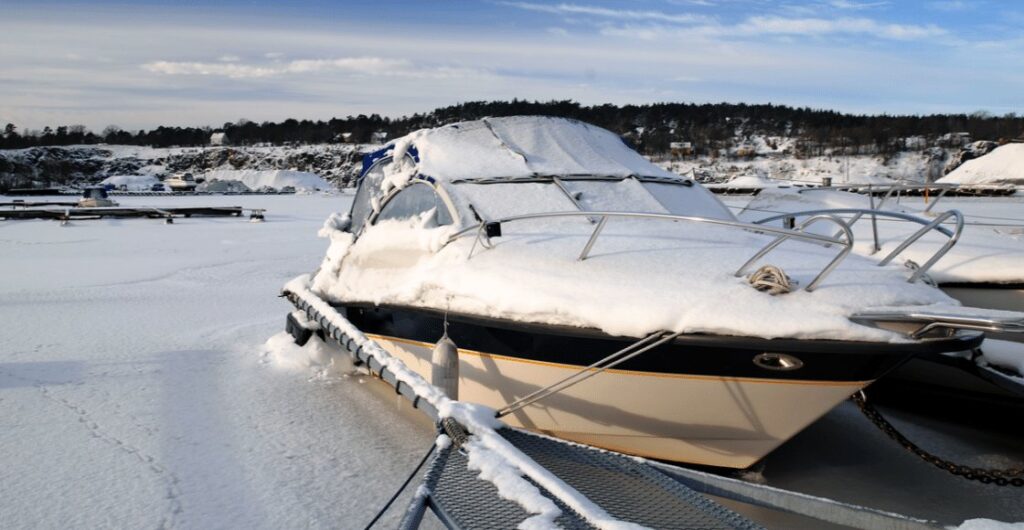
A boat sitting through a hard winter faces its own version of the outage scenario homeowners plan around for their houses. Fuel breaks down if it sits untreated for months.
Water left in cooling systems freezes and expands, cracking components that are expensive to replace. A battery left connected slowly drains until it’s dead by spring, the boat equivalent of discovering your backup power system was never actually charged.
None of this requires a large investment to prevent, which is exactly the point. Just as a homeowner doesn’t need the most expensive backup battery on the market, a boat owner doesn’t need anything elaborate to protect an engine through winter.
Putting together the right boat winterizing products, fuel stabilizer, the correct antifreeze mixture, and a battery maintainer, covers the core of what a boat actually needs before it sits idle, at a fraction of the cost of the repair that follows when none of it gets done.
Matching the Prep to the Actual Risk
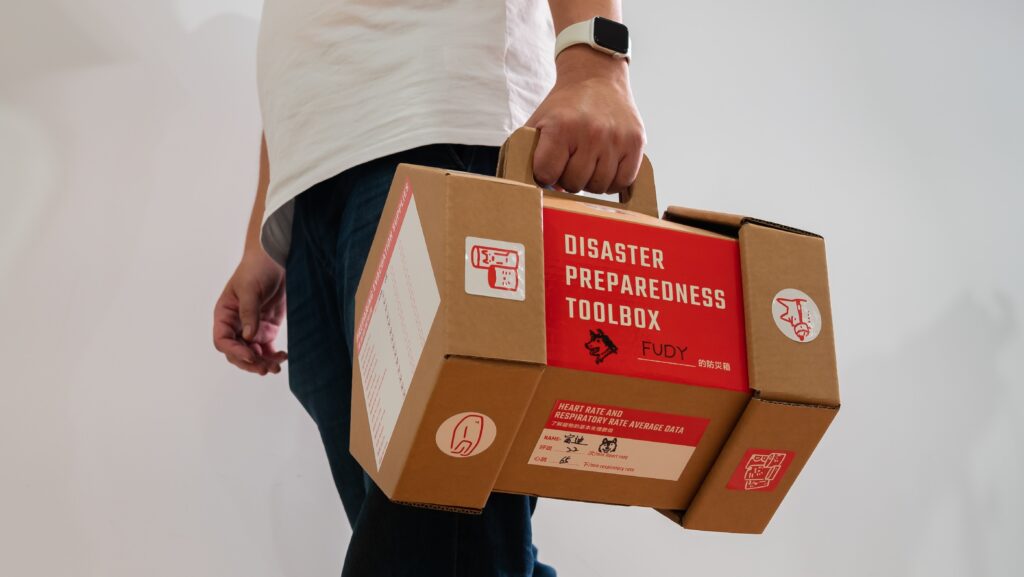
Just as backup power decisions should be based on real household needs rather than the flashiest option, boat prep should scale to how the boat is actually stored and used.
A boat kept in a heated storage facility faces less risk than one sitting outside through a full winter of hard freezes, and the prep required reflects that difference.
The homeowners who get the best value from their preparedness spending, whether that’s a solar battery or a winterizing kit, are the ones who matched the investment to the actual exposure instead of either ignoring the risk entirely or overspending on protection they didn’t need.
Building a Preparedness Plan That Covers Everything You Own
The mindset that’s made solar backup power such a smart investment for modern homes is really just a bigger version of a simple idea: know your risks, plan ahead of them, and don’t wait for the bad scenario to force a decision. That idea doesn’t stop being true once you step outside the house.
A boat, a generator, anything with an engine or a battery that’s going to sit through a season of disuse deserves the same short planning process a homeowner already applies to backup power. The house isn’t the only asset worth protecting before the season that tests it arrives.