
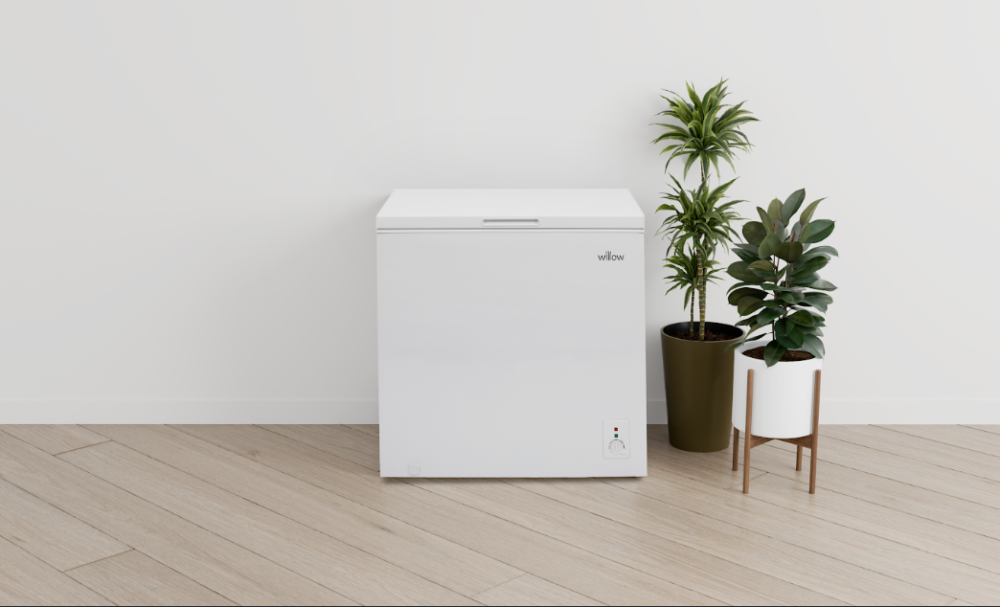
When people tour a small home and notice a chest freezer tucked into a utility room or neatly positioned beneath a staircase, the reaction is usually the same: “I never would have thought of that.”
I understand the surprise. When every square foot matters, every appliance has to earn its place. At first glance, adding a standalone freezer to a tiny home, cottage, or apartment seems like the opposite of efficient living.
A few years ago, I felt the same way. My refrigerator’s freezer compartment was constantly overcrowded, and I found myself making more grocery trips than I wanted simply because I didn’t have enough cold storage. After adding a compact chest freezer, I quickly realized it wasn’t just another appliance. It became a practical tool that helped me waste less food, buy groceries more strategically, and keep convenient meals on hand.
This isn’t about stockpiling months of supplies. It’s about creating a system that makes everyday life easier. For anyone living in a small home, a compact chest freezer can deliver far more value than its footprint suggests.
Key Takeaways
- A compact chest freezer provides valuable food storage without requiring a large footprint.
- Extra freezer space helps reduce food waste and preserve groceries longer.
- Bulk purchasing becomes more practical and cost-effective.
- Prepared meals can be stored for future use, reducing cooking and shopping time.
- Chest freezers often outperform upright models in energy efficiency.
- Strategic placement allows a freezer to blend naturally into small-home layouts.
- Proper maintenance can keep a freezer running efficiently for years.
Why Small-Space Dwellers Benefit More from a Chest Freezer
Many people assume larger households benefit most from additional freezer space. In my experience, the opposite is often true.
Living in a smaller home naturally encourages more intentional use of space, food, and resources. A chest freezer provides flexibility that many compact kitchens lack. Instead of feeling pressured to use ingredients before they spoil, you gain the ability to preserve food until you’re ready for it.
This becomes especially useful for smaller households. Many recipes produce more food than one or two people can comfortably eat in a few days. Rather than eating the same leftovers repeatedly or throwing food away, you can freeze individual portions for future meals.
A chest freezer also acts as a buffer between shopping and consumption. During busy weeks, having frozen vegetables, proteins, and prepared meals readily available makes it easier to eat well without constant trips to the store.
For people who value efficiency, convenience, and reducing waste, that extra storage space can make a surprisingly large difference.
How to Choose the Right Chest Freezer Size for a Small Home
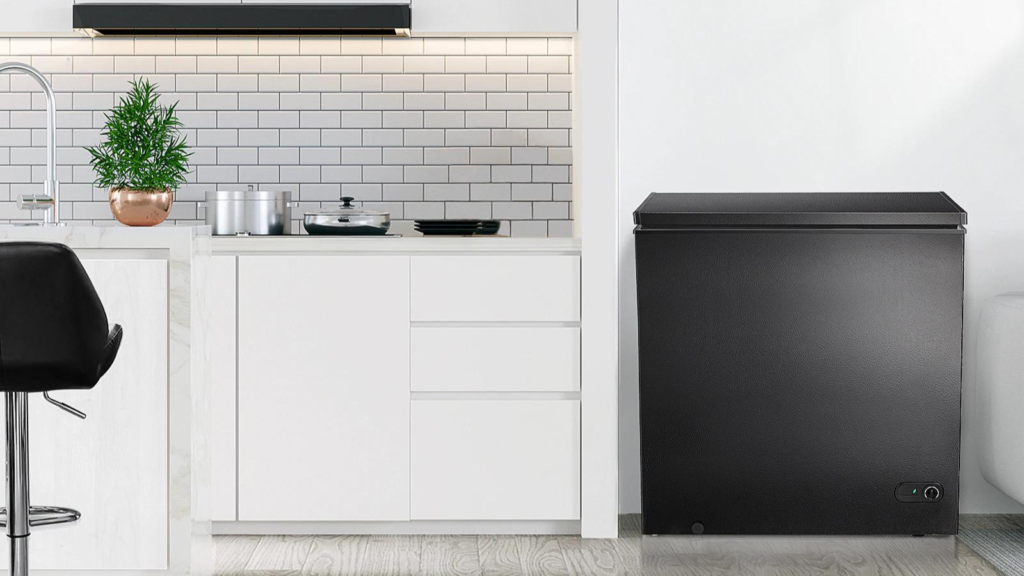
The 5 to 7 Cubic Foot Range Is Often Ideal
For most small homes, a chest freezer between 5 and 7 cubic feet offers the best balance of storage capacity and space efficiency.
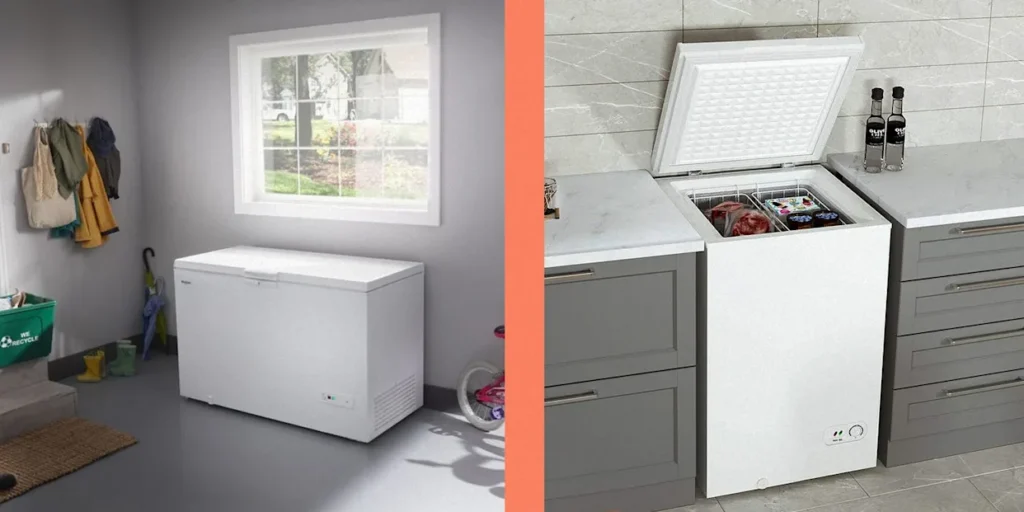
This size provides enough room for several weeks of meals, frozen produce, and bulk purchases while remaining compact enough to fit into laundry rooms, closets, garages, or under-stair storage areas.
Many homeowners are surprised to learn that a 5-cubic-foot chest freezer is often only about 30 inches wide and 22 inches deep.
Features Worth Prioritizing
When comparing models, consider more than just size.
Look for:
- Energy Star certification for lower operating costs
- Manual defrost systems, which are often more efficient
- Lockable lids for safety and security
- Interior baskets for easier organization
- Adjustable temperature controls
- Power-outage protection features
Many modern chest freezers consume relatively little electricity annually, making them one of the more affordable appliances to operate.
Chest Freezer vs. Upright Freezer for Tiny Homes
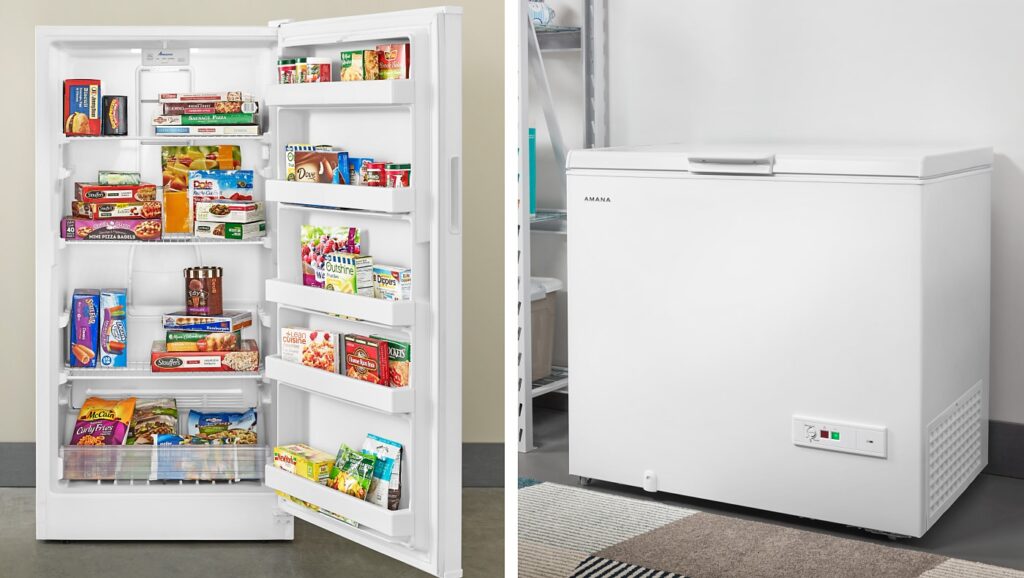
If you’re deciding between a chest freezer and an upright model, the right choice depends on your priorities.
Chest freezers typically offer:
Chest freezers typically offer:
- Better energy efficiency
- Lower operating costs
- Longer cold retention during power outages
- Greater storage capacity for the same purchase price
Upright freezers offer:
- Easier organization
- Smaller floor footprints
- More convenient access to individual items
For most tiny homes and compact living situations, chest freezers generally offer better value by maximizing storage while minimizing energy consumption.
Where to Put a Chest Freezer in a Small Home
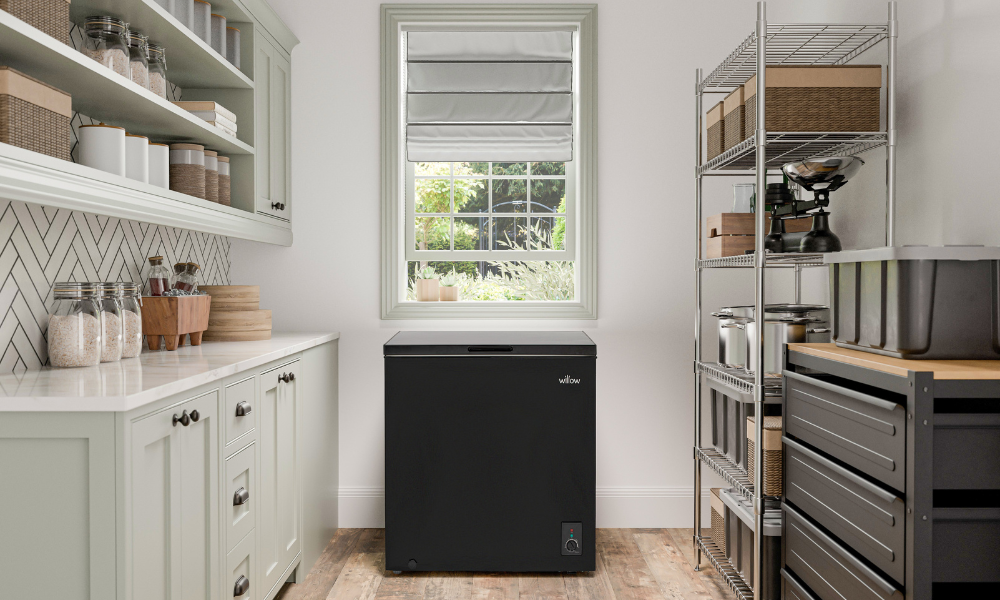
One of the biggest misconceptions about chest freezers is that they require a large dedicated space.
In reality, many compact models fit comfortably into underutilized areas throughout the home.
Utility Room or Laundry Area
This remains one of the most practical locations. It keeps the freezer accessible without taking up valuable living space.
Under the Stairs
Many stair cavities offer enough clearance for a compact chest freezer. Adding a curtain, cabinet door, or built-in enclosure can help maintain a clean appearance.
Converted Closet or Pantry
Unused storage closets often make excellent freezer locations. Just be sure to maintain proper airflow around the unit according to the manufacturer’s recommendations.
Finding room for an additional appliance often requires looking at your home differently. Small-space homeowners frequently discover that the most functional storage solutions come from rethinking underused corners, alcoves, and transitional areas.
If you’re looking for inspiration, this guide on creating a cottage kitchen corner offers practical ideas for maximizing functionality while maintaining the charm and character that make smaller homes feel inviting.
Garage Placement
For homeowners with access to a garage, this is often the easiest solution. Verify the freezer’s operating temperature range if local weather conditions become extremely hot or cold.
Covered Outdoor Storage Areas
In moderate climates, protected spaces such as enclosed porches, mudrooms, or covered patios can work well when shielded from direct weather exposure.
How a Small Chest Freezer Changes Grocery Shopping Habits
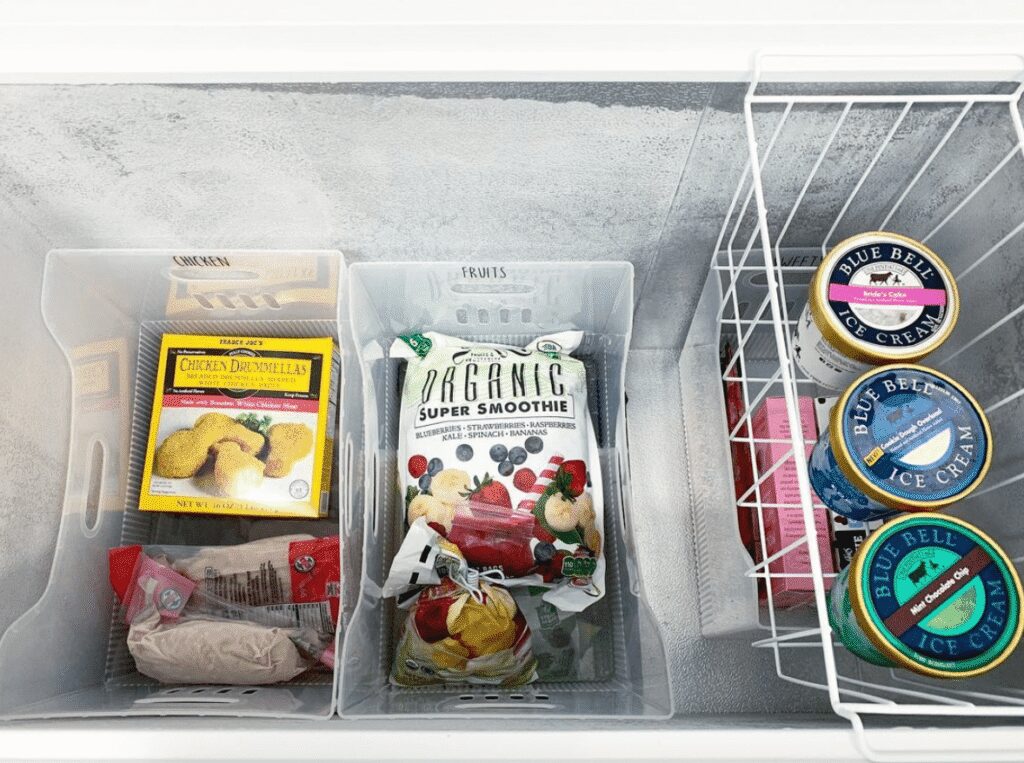
Adding a chest freezer changed my shopping habits in ways I didn’t expect.
Bulk purchases suddenly became practical. Seasonal produce, discounted meats, and sale items no longer needed to be used immediately. Instead, I could store them for future use without worrying about spoilage.
Meal preparation also became easier. On weekends, I often cook larger batches of soups, pasta sauces, and casseroles. Freezing individual portions means I always have homemade meals on hand when schedules get hectic.
One of the biggest benefits has been the reduction of food waste. Vegetables nearing the end of their shelf life in the refrigerator can be blanched and frozen. Extra ingredients from recipes don’t end up forgotten in the back of the fridge.
Over time, those small improvements add up. I spend less time shopping, throw away fewer groceries, and feel more in control of my food budget.
Emergency Preparedness and Seasonal Savings
A benefit many homeowners overlook is preparedness.
A chest freezer allows you to take advantage of seasonal sales and bulk discounts throughout the year. Gardeners can preserve excess harvests, hunters can store game meat, and families can stock up when prices are favorable.
Chest freezers also tend to retain cold temperatures longer during power outages because the cold air remains trapped inside when the lid is closed.
While emergency preparedness may not be the primary reason to purchase a freezer, it’s an advantage that becomes increasingly valuable over time.
Potential Downsides to Consider Before Buying
As useful as chest freezers can be, they aren’t perfect for every situation.
The most obvious drawback is floor space. Even compact models require a dedicated area, which may be difficult in extremely small layouts.
Organization can also be challenging if you don’t use baskets, labels, or inventory lists. Without a system, items can become buried beneath other frozen goods.
Manual defrost models require occasional maintenance. Depending on usage, most households will need to defrost their freezer once or twice each year.
Finally, there is the upfront purchase cost. While operating expenses are generally low, buying a quality freezer still requires an initial investment.
For many homeowners, however, the long-term savings and convenience more than offset these disadvantages.
Small Homes Thrive on Practical Storage Solutions
One thing I’ve noticed about compact living is that success often comes down to finding practical solutions that maximize functionality.
Whether it’s a tiny home, canal cottage, studio apartment, or modest suburban house, homeowners consistently look for ways to get more value from limited space.
Food storage is one of the most common challenges. Refrigerator freezers fill up quickly, especially when preparing meals in advance or taking advantage of grocery sales.
Many homeowners tackling small-space challenges find that storage improvements often go hand in hand with broader home upgrades. Whether it’s maximizing pantry space, improving organization, or making rooms more functional, practical home improvement strategies can have a significant impact on everyday living. Kawaisa.org offers helpful guides for homeowners looking to make the most of limited space.
A compact chest freezer solves that problem without requiring a kitchen remodel or additional square footage. It’s a solution that’s been used for generations and continues to make sense for modern homeowners focused on efficiency and intentional living.
Chest Freezer Maintenance Tips I’ve Learned Over Time
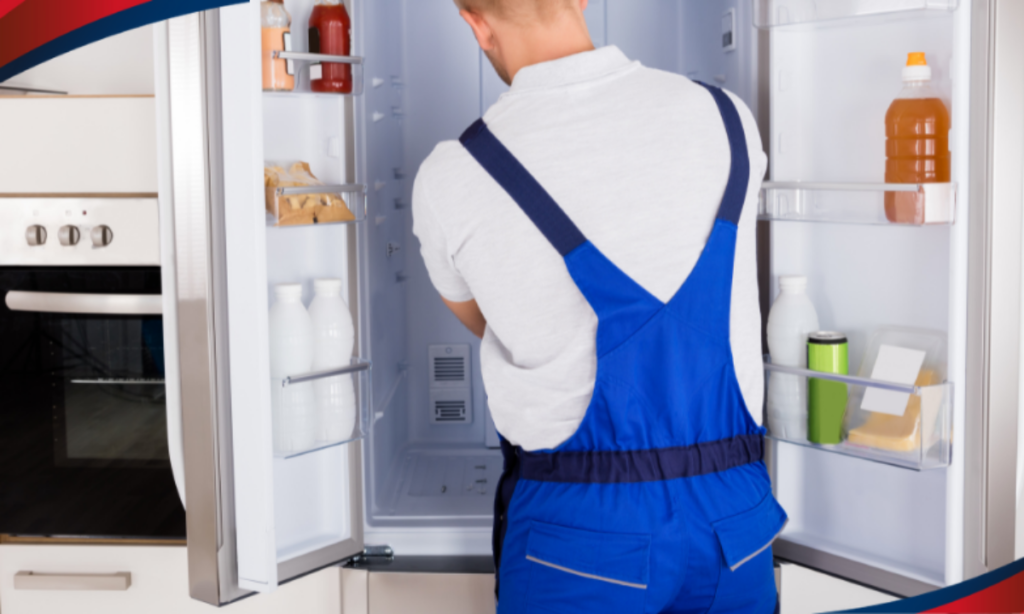
Getting the most value from a chest freezer isn’t only about choosing the right model. A few simple maintenance habits can help it perform efficiently for years.
Defrost Before Ice Buildup Becomes Excessive
When frost accumulation exceeds about one-quarter inch, efficiency begins to decline. For most households, defrosting once or twice per year is sufficient.
Keep the Freezer Mostly Full
A freezer that remains at least 75% full generally operates more efficiently because frozen contents help stabilize internal temperatures.
If storage levels drop, water-filled containers can help maintain thermal mass.
Inspect the Door Seal
A damaged gasket allows cold air to escape and warm air to enter. Periodically inspect the seal for cracks, gaps, or wear.
Clean Condenser Coils Annually
Dust buildup reduces efficiency over time. A quick cleaning with a vacuum and a brush attachment can improve performance and extend the appliance’s lifespan.
If you notice excessive frost buildup, temperature fluctuations, unusual noises, or other performance issues, it’s often best to have the unit inspected before a minor problem becomes a costly repair. Working with a qualified appliance repair professional, such as Appliance EMT, can help keep your freezer operating efficiently and extend its lifespan.
Frequently Asked Questions
Why a Small Chest Freezer Is Worth the Space
Living in a smaller home requires thoughtful decisions about what deserves space and what genuinely improves daily life.
A compact chest freezer is one of those rare purchases that consistently earns its footprint. It helps reduce food waste, supports smarter grocery shopping, simplifies meal preparation, and provides flexibility that many small kitchens simply can’t offer.
More importantly, it supports a more intentional way of living. Instead of making frequent trips to the store or throwing away unused food, you can plan ahead and use resources more efficiently.
In a home where every square foot must justify itself, few appliances deliver as much everyday value as a well-placed chest freezer. If you’ve overlooked the idea because it seemed too large or unnecessary, take another look. You may find that the benefits extend far beyond food storage alone.