

Framed prints and gallery walls tend to be the default answer once renovation dust settles and blank walls start staring back. They work, and they’re a reasonable starting point, but they’re also the first idea most people reach for, which means most renovated homes end up looking similar once the frames go up.
Textile wall art, and quilts in particular, offer a different kind of statement piece, one with texture, warmth, and a handmade quality that flat prints simply can’t replicate.
Why Fabric Works Where Frames Fall Short
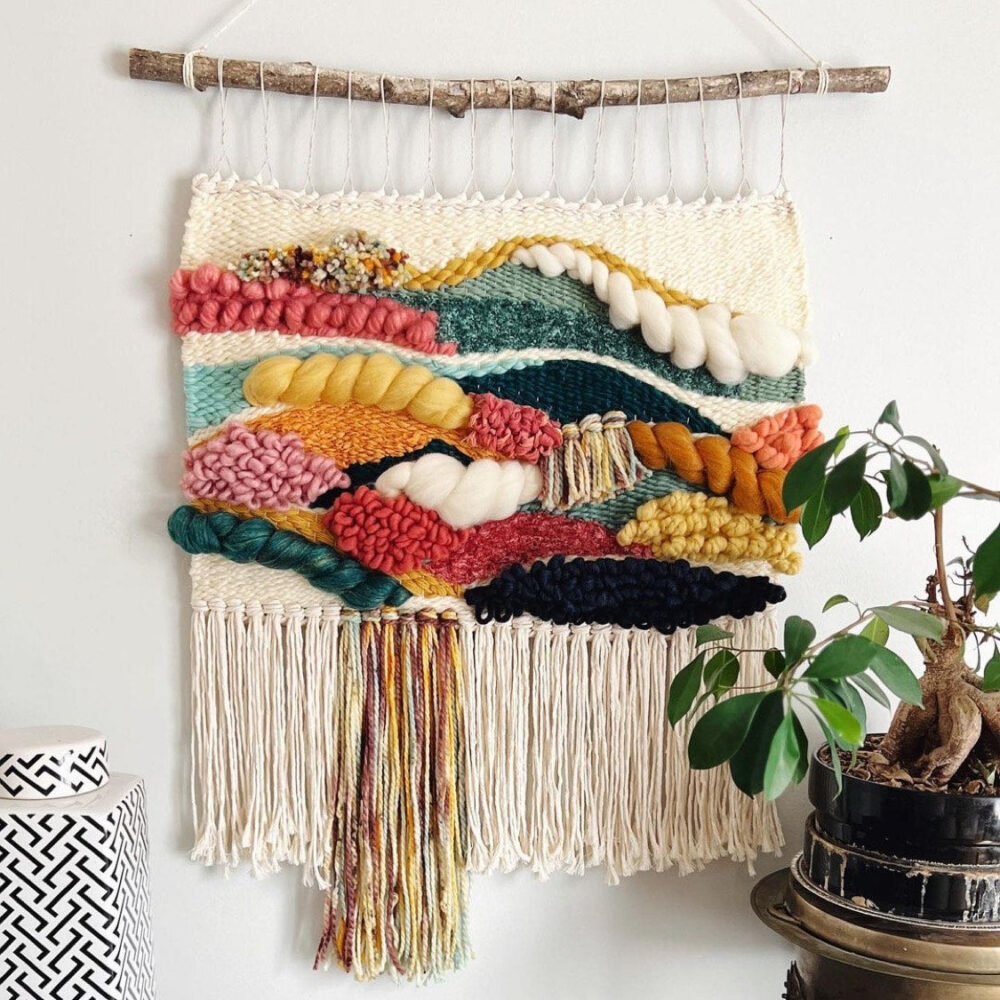
A framed print sits flat against the wall and reflects light the same way every time you look at it. A textile piece behaves differently. It has depth, shadow, and slight movement depending on how it’s hung, which gives a wall a sense of dimension that flat art rarely achieves.
This matters most in newly renovated spaces where walls are freshly painted and everything still feels a little sterile. A quilt or woven textile softens that newness immediately, the same way a linen curtain softens a stiff, freshly finished room. It introduces texture without requiring any structural changes, which makes it an especially practical option for anyone who just finished a renovation and has no interest in more permanent alterations.
Hanging a Quilt as a Statement Wall Piece
A quilt used as wall art occupies a strange, appealing middle ground between decor and heirloom. It reads as intentional and artistic, but it also carries a sense of history and craftsmanship that a printed canvas can’t fake, even a quilt made recently rather than passed down.
Hanging one properly is simpler than most people expect. A wooden dowel slipped through a fabric sleeve sewn along the top edge, then suspended with two small nails or hooks, distributes the weight evenly and avoids the sagging or pulling that can happen when a quilt is pinned directly to drywall. For smaller pieces, a simple quilt hanger clip designed for the purpose works just as well and requires no sewing at all.
Placement matters here more than with a framed print. A quilt tends to look best on a larger, mostly empty wall, somewhere it has room to be the focal point rather than competing with furniture or other decor nearby. A stairwell, the wall behind a bed, or an empty expanse in a living room all tend to work well.
Making Your Own Instead of Buying
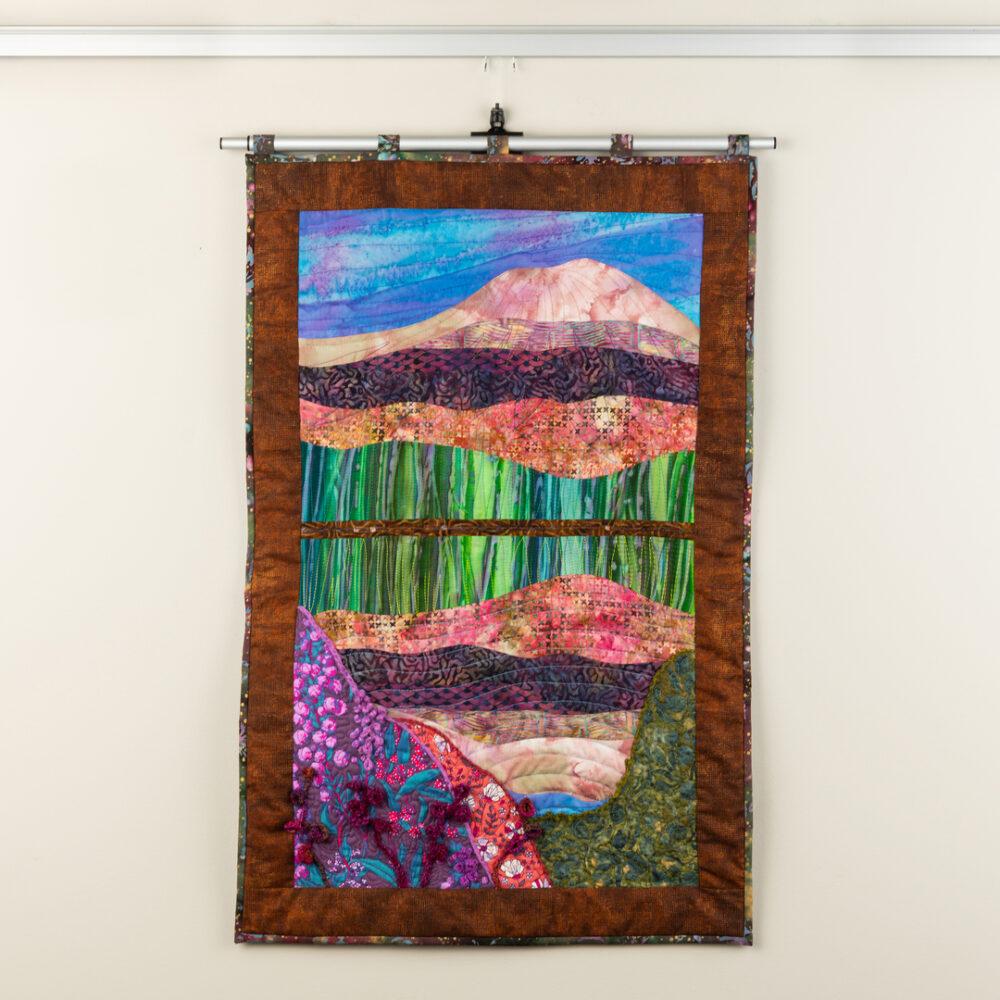
For anyone who enjoys a hands-on project, making a quilt specifically for wall display opens up more creative control than buying something premade ever could. Colors, patterns, and dimensions can all be tailored to the exact wall and room they’re intended for, rather than hoping a store-bought piece happens to fit.
Getting started doesn’t require advanced sewing skills. Simpler block patterns, like a basic square or strip design, produce clean, modern results that suit renovated interiors particularly well.
For anyone looking to try this without committing to buying a full pattern upfront, browsing a collection of free quilt patterns is a good way to get a feel for different styles before deciding on a design, since many beginner-friendly patterns are available at no cost and scale easily to whatever size a particular wall calls for.
Other Textile Options Worth Considering
A quilt isn’t the only fabric-based option for filling wall space after a renovation. A few other approaches work in a similar spirit:
- Woven wall hangings or macrame pieces, which add texture without the weight or bulk of a full quilt
- Framed fabric remnants, particularly vintage or patterned textiles mounted like art within a simple wood frame
- Tapestries, which cover large wall areas quickly and add both color and warmth in one piece
Each of these leans into the same idea as a quilt: fabric brings a softness and depth to a room that paint and prints alone can’t fully deliver.
Balancing Texture Without Overdoing It
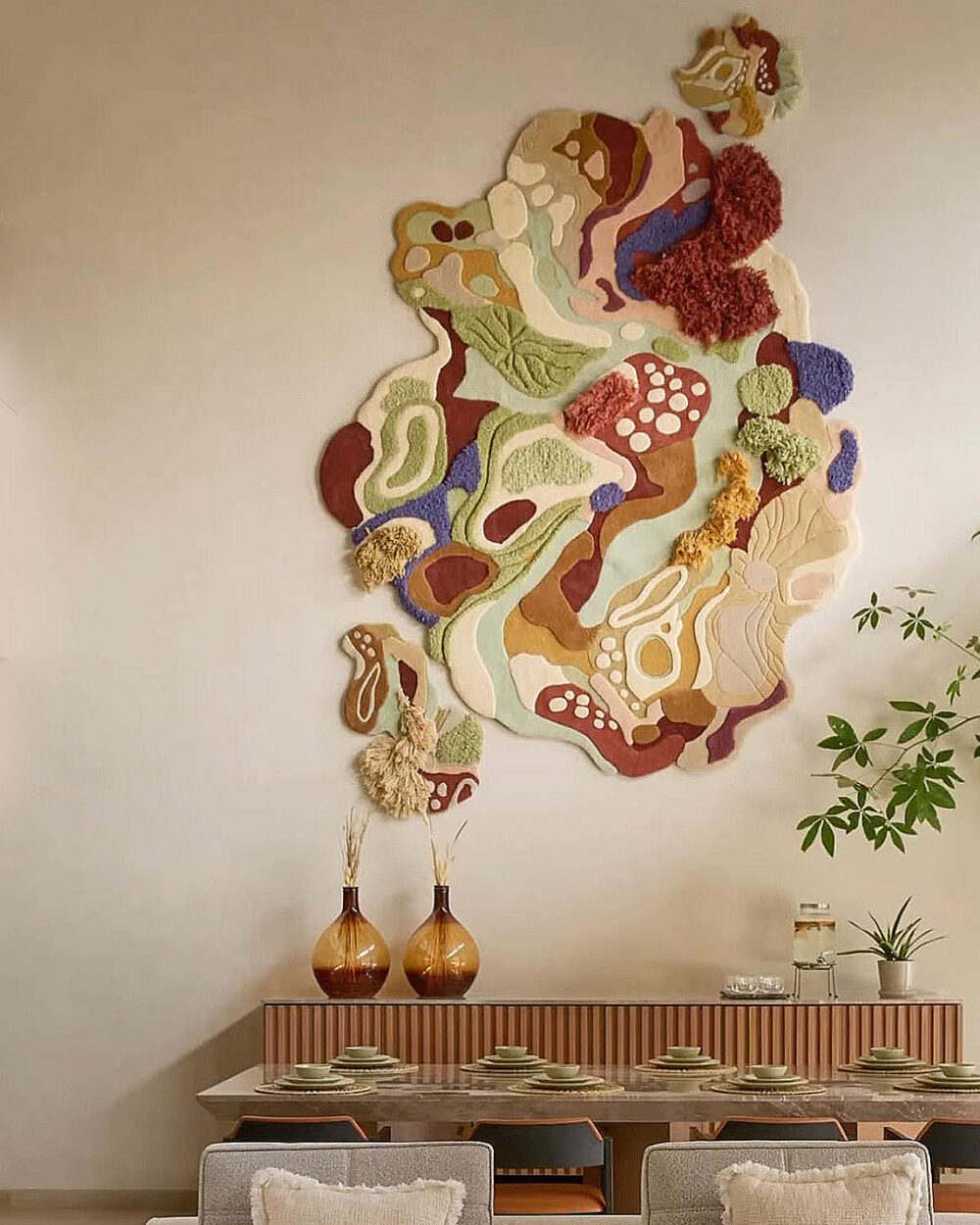
One risk with fabric wall art is letting it compete with other textured elements already in the room. If a space already has heavy curtains, a textured rug, and patterned throw pillows, adding a large quilt to the wall on top of all that can start to feel cluttered rather than cozy.
The safest approach is to treat the fabric wall piece as the primary texture in that particular area of the room, then keep nearby elements simpler by comparison. A quilt hung above a bed pairs well with plain bedding. A wall hanging in a living room works best against a relatively clean sofa and minimal throw pillows nearby. This keeps the fabric piece feeling intentional rather than accidental.
A Wall That Feels Finished, Not Just Filled
The real goal after a renovation isn’t simply covering blank space, it’s making a wall feel like it belongs to the room around it. A framed print can do that, but so can a well-placed textile piece, often with more warmth and personality than a flat print ever could. Whether it’s a quilt made specifically for the space or a simpler woven hanging, fabric wall art gives a freshly renovated room the kind of texture and depth that makes it feel lived-in rather than just recently finished.