
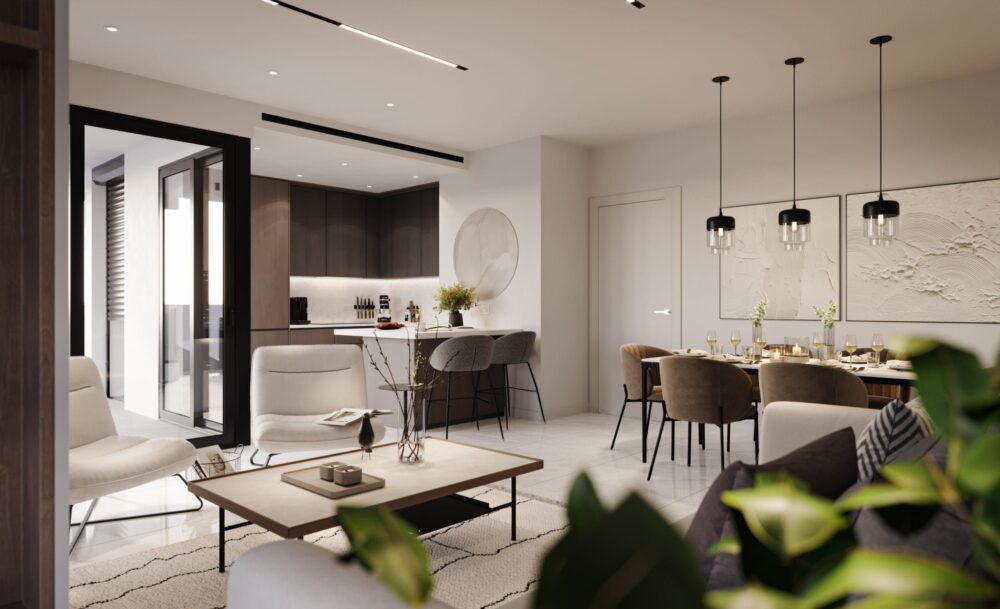
Minimalist apartment decor works best when it focuses on a few honest materials that improve everyday comfort. Wood, linen, and stone are practical choices because they age well and rarely look outdated. Small upgrades using these materials can make an apartment feel calmer without requiring renovation work or expensive tools.
Many useful improvements take only a few hours and use materials from local hardware stores. The key is choosing projects that suit real apartments, especially smaller spaces or rentals where permanent changes are not possible.
Why Natural Materials Work in Minimalist Apartments
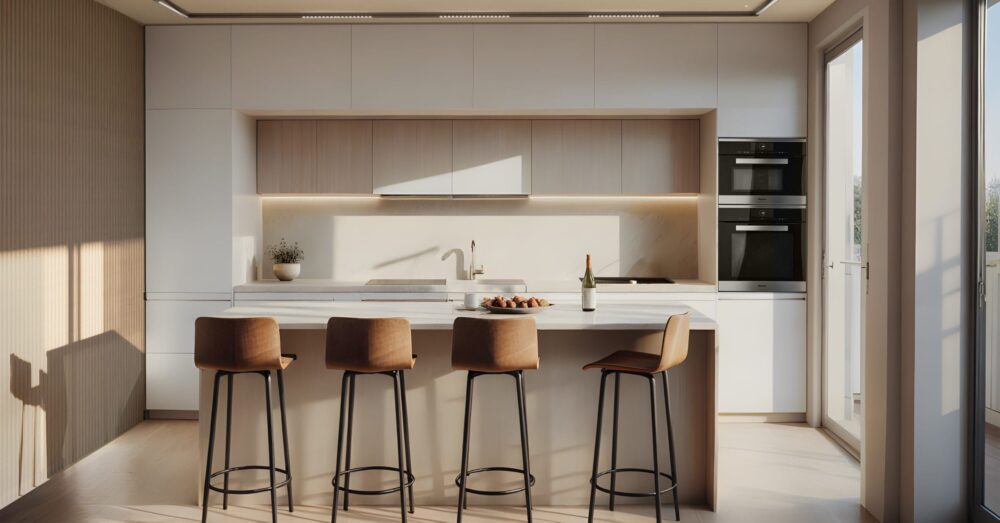
Minimalist apartment decor depends on surfaces that feel stable and natural rather than decorative. Wood softens plain walls, linen reduces visual noise, and stone adds weight without cluttering a room.
Natural materials also appear in well planned residential projects where durability and simplicity are treated as priorities instead of decoration. The approach used by foliahomes.com shows how wood, stone, and other long lasting materials can create interiors that feel calm and practical at the same time.
Their projects focus on balanced proportions and materials that remain reliable over time, which is a useful reference when planning small upgrades in ordinary apartments. Even modest DIY changes often work best when they follow the same idea of using fewer materials with better quality.
Natural materials also react well to different lighting conditions. Morning light usually highlights wood grain and linen texture, while evening lighting helps stone surfaces appear warmer and less cold.
Simple Wood DIY Projects for Everyday Use
Wood is often the easiest starting point for minimalist apartment decor because it is forgiving and simple to work with. Basic projects require only a small number of tools and usually take one afternoon.
Typical beginner tools include:
- A small cordless drill handles shelf mounting and frame assembly without heavy equipment.
- Sandpaper smooths rough edges and helps inexpensive boards look cleaner.
- A measuring tape prevents uneven spacing, especially important in small rooms.
Practical wood upgrades that work well include:
- Narrow wall shelves provide storage without using floor space in small apartments.
- Simple wooden frames improve plain prints or photos without drawing attention away from walls.
- Thin wall panels can hide uneven surfaces common in older buildings.
Light colored pine or birch boards are usually affordable and easy to cut in hardware stores. In the bathroom, a simple wooden shelf or a teak shower mat can introduce warmth and contrast against standard tile or white fixtures.
Using Linen for Soft and Practical Improvements
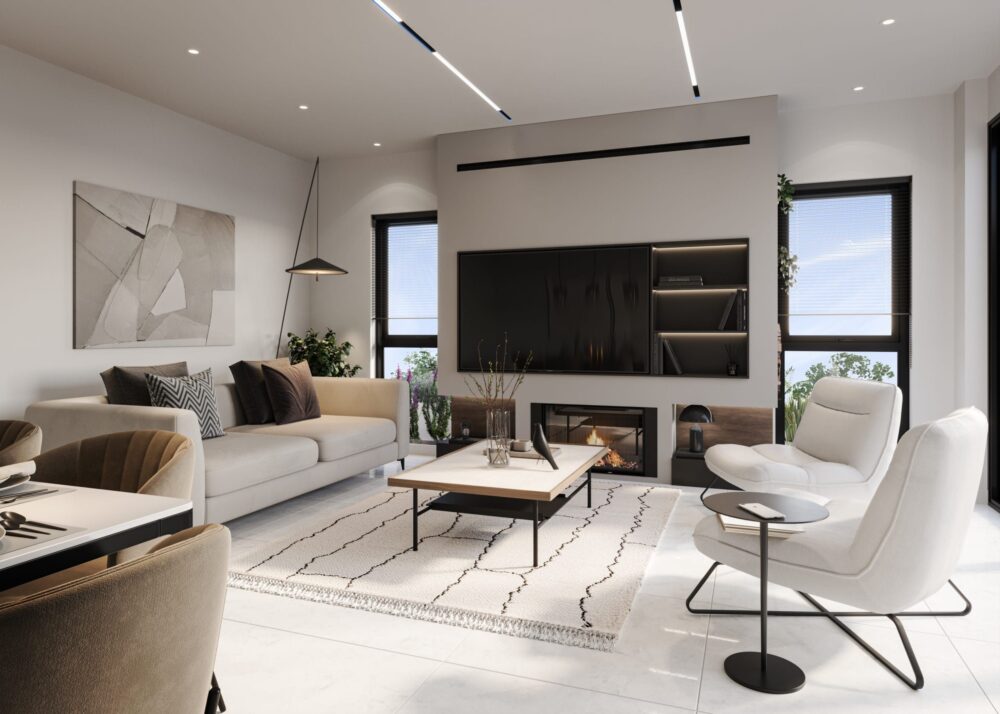
Linen is useful in minimalist apartment decor because it adds texture without making rooms feel crowded. Many textile upgrades can be completed without sewing machines or permanent installation.
Small linen projects often include:
- Curtain panels hung on tension rods work well in rented apartments where drilling is restricted.
- Cushion covers allow seasonal changes without replacing furniture.
- Table runners or bed covers soften large flat surfaces.
Linen behaves differently from synthetic fabrics. It wrinkles easily, but those wrinkles usually look natural rather than messy.
Linen fibers absorb moisture better than most synthetic textiles, which helps rooms feel less humid during warm seasons.
Neutral shades such as beige or off white reflect light well and keep small apartments feeling open.
Introducing Stone Without Making Rooms Heavy
Stone works best in minimalist apartment decor when used in small portions. Large stone surfaces can feel cold and difficult to install, but smaller items add stability without overwhelming the room.
Common easy stone additions include:
- Small stone trays organize everyday objects on desks or nightstands.
- Individual stone tiles can protect surfaces under plants or hot items.
- Thin stone boards work as kitchen or coffee table accents.
| Stone Item | Typical Use | Installation Effort |
| Stone tray | Entry table or desk | None |
| Loose tiles | Surface protection | Very low |
| Small slab | Table accent | None |
These pieces usually sit on existing furniture, which makes them safe for rented apartments.
Combining Wood, Linen, and Stone Without Clutter
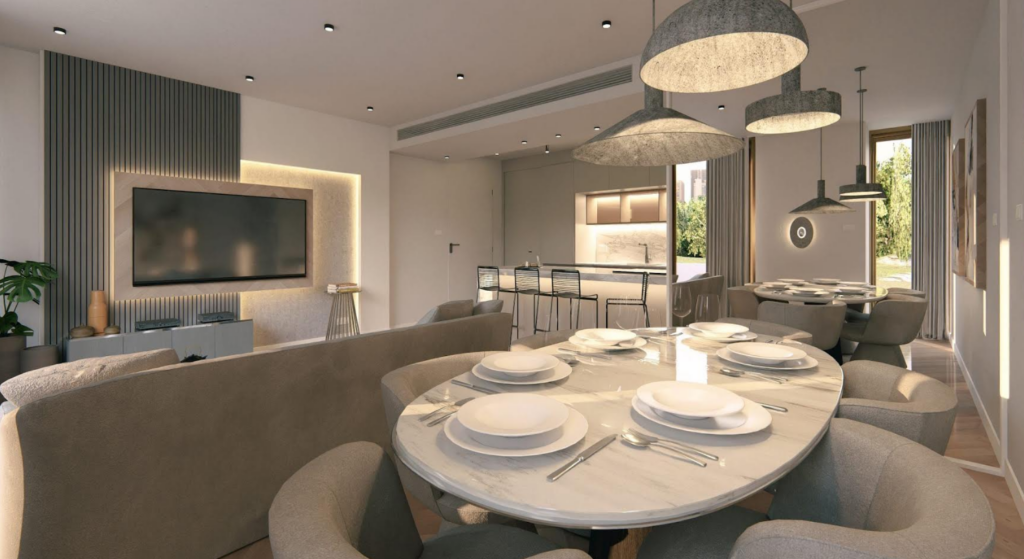
Minimalist apartment decor improves when materials stay balanced instead of competing for attention. Too many textures in one area make rooms look smaller.
A practical combination approach works like this:
- Wood works best as the main visible material through shelves or furniture details.
- Linen works as a background layer through curtains or covers.
- Stone appears in small accent areas.
Lighting plays an important role. Warm light reduces the contrast between stone and wood, while cooler light emphasizes textures.
Even a small lamp placed near a wooden shelf can make the grain more visible and reduce the flat appearance of painted walls.
Keeping colors within a narrow range usually prevents materials from looking mismatched.
Avoiding Common Minimalist Decoration Mistakes
Minimalist apartment decor sometimes looks unfinished when practical details are ignored. Many problems appear after the first round of DIY upgrades.
Typical issues are:
- Empty walls create a temporary feeling instead of a finished interior.
- Thin shelves mounted without anchors may tilt on uneven walls.
- Dark wood combined with dark stone can make small apartments feel crowded.
- Poor lighting placement can make natural materials look flat and less noticeable.
Rental apartments require special care. Adhesive hooks and removable mounting strips prevent damage and usually satisfy landlord requirements.
Projects that take two or three hours often deliver better results than large unfinished plans. Careful measuring and simple layouts usually matter more than expensive materials.
Conclusion
Minimalist apartment decor improves when upgrades stay simple and realistic. Wood, linen, and stone work well together because they add texture without complexity.
Small projects completed with basic tools often make the biggest difference.
Practical choices and careful installation usually produce results that remain useful for many years.